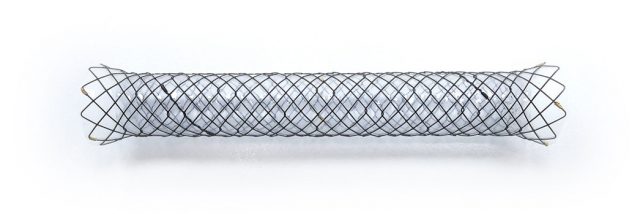
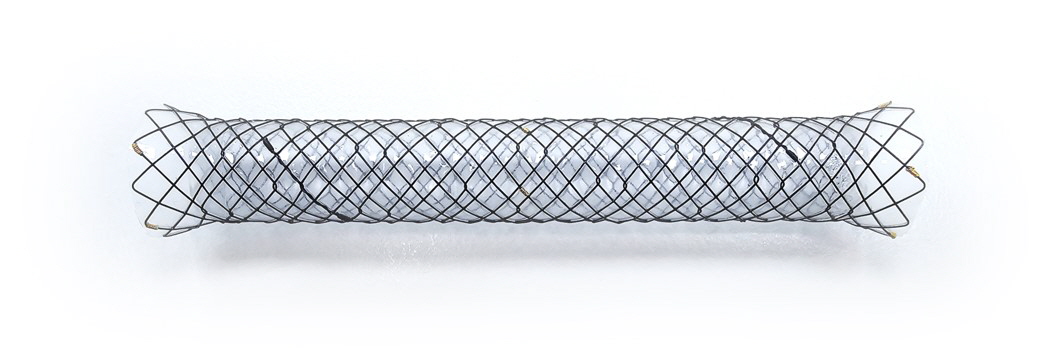
CGBIO (CEO Hyun-seung Yu), a specialist in bio regenerative medicine, announced on the 1st that its biliary ‘ARISTENT,’ the first product from its gastrointestinal stent brand ‘ARISTENT,’ is gaining attention in the Japanese market, accelerating its expansion in the global stent market.
According to global market research firm Precedence Research, the worldwide gastrointestinal stent market size reaches about 1 billion dollars, and the biliary stent market is expected to grow from $443.39 million in 2023 to approximately $762.42 million by 2033, showing a Compound Annual Growth Rate (CAGR) of 5.57%.
Gastrointestinal stents are medical devices used to resolve issues in digestive organs such as the bile duct, esophagus, duodenum, and colon. They are small tube-shaped devices made of flexible metal that expand constricted areas to facilitate the flow of food and liquids.
The newly released biliary ARISTENT is a stent used to open blocked bile ducts. Bile, which aids in fat digestion, is produced in the liver and stored in the gallbladder. When eating, the stored bile moves through the bile duct to the small intestine to assist digestion. If the bile duct is blocked, it can lead to jaundice, liver damage, cholecystitis, cholangitis, and cirrhosis. The stent helps bile to be discharged normally.
The delivery system of the biliary ARISTENT is designed with a focus on user convenience, allowing the practitioner to apply the compressed stent to the desired location with minimal force. Additionally, it is manufactured with a patented ‘HOOK & CROSS’ structure, providing high flexibility that makes it easy to move according to the shape of the bile duct. Therefore, the stent adheres well to the patient’s lesion, maintaining patency for a long period.
The biliary ARISTENT has been released in two types. The CC (Biliary CC) type is coated with silicone on the inside of the stent, preventing the possibility of re-stenosis due to granulation tissue growth caused by the body recognizing the stent as a foreign object. The NC (Biliary NC) type is an uncoated stent that can be widely used within the bile duct.
CGBIO has obtained product approval from Japan’s Pharmaceuticals and Medical Devices Agency (PMDA) for ARISTENT and announced its full-scale entry into the Japanese market by introducing clinical cases at a luncheon symposium held at the recent Congress of the Japan Gastroenterological Endoscopy Society.
In fact, Professor Hideyuki Shiomi from Hyogo Medical University presented results showing that ARISTENT applied to 10 cases of narrowed bile ducts was maintained without adverse reactions even after an average of 24.5 days. Professor Irisawa particularly emphasized ARISTENT’s excellent ability to enter lesions and penetrate strictures, as well as its visibility during endoscopy and fluoroscopy.
Hyun-seung Yu, CEO of CGBIO, stated, “Following the launch of the biliary ARISTENT, we plan to sequentially release stents for the esophagus, duodenum, and colon to strengthen our competitiveness. We will expand our business in the gastroenterology field through synergy with CG gel, a gastrointestinal hemostatic powder to be released in the future. Through this, we aim to emerge as a global stent specialist company and solidify our position in the global medical device market by accelerating our entry into global markets such as the US and Europe, starting with a domestic launch in the near future.”
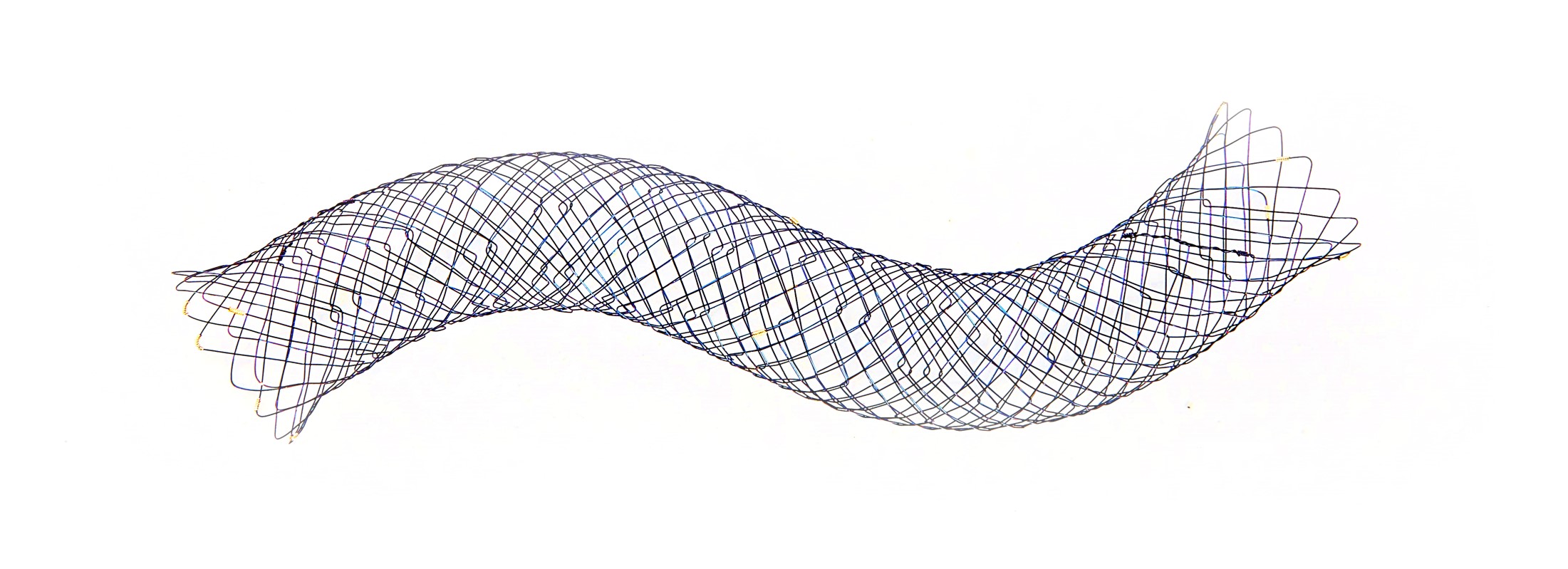
▲ CGBIO’s ARISTENT Biliary NC type

▲ CGBIO’s ARISTENT Delivery System
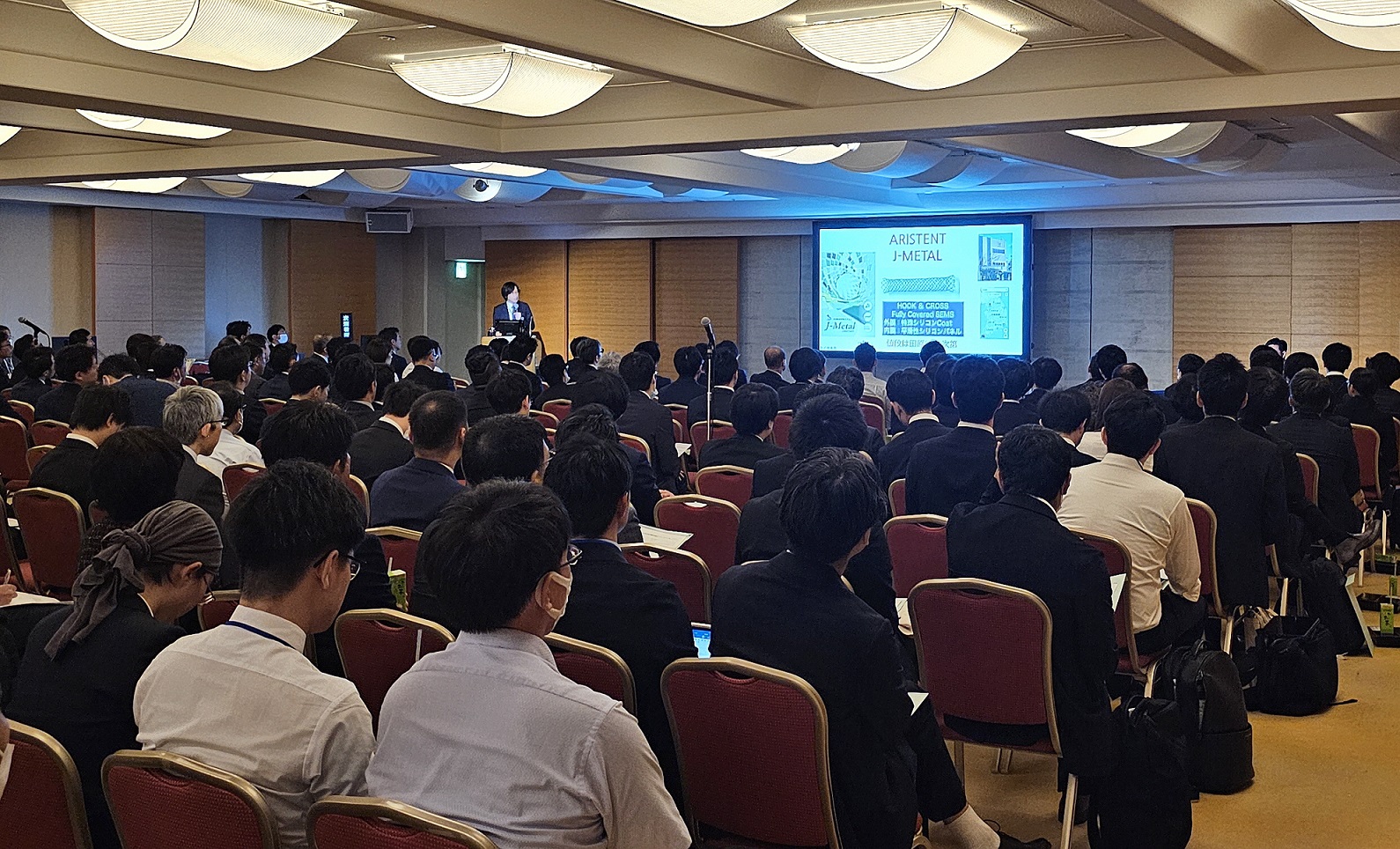
▲ Professor Hideyuki Shiomi presenting clinical cases using the biliary ARISTENT at a luncheon symposium held during the Congress of the Japan Gastroenterological Endoscopy Society.